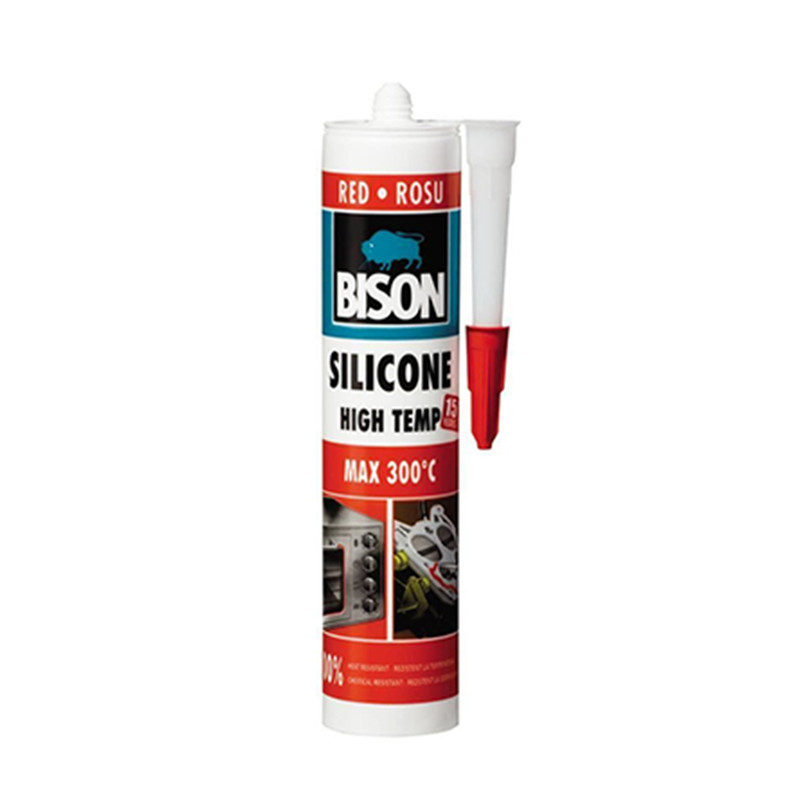



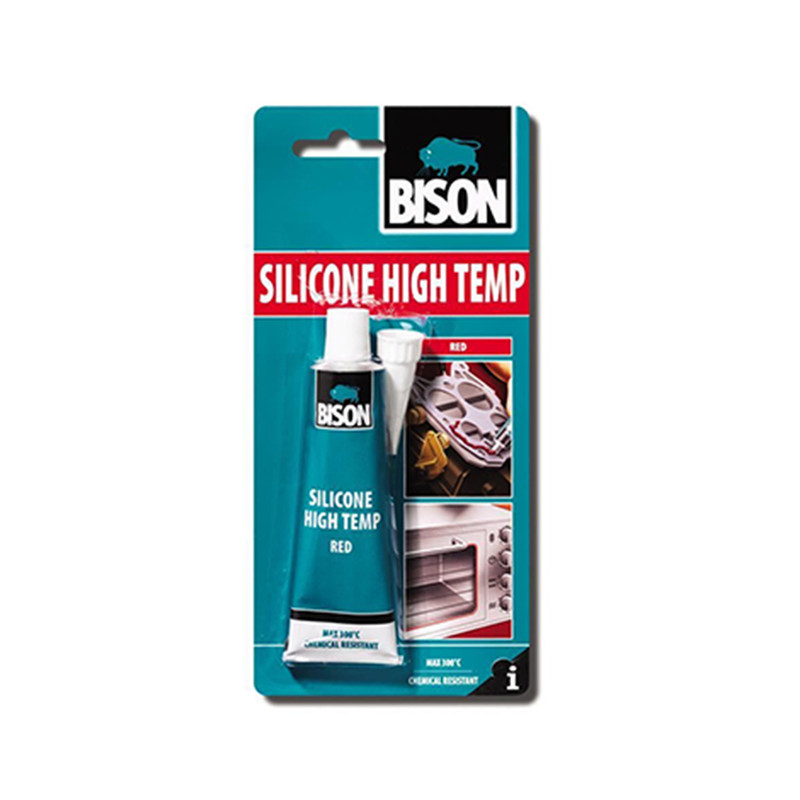

To use the high temperature resistant silicone sealant as described, follow these steps:
- Surface preparation:
- Make sure the sealing surfaces are clean, dry and free from dust, grease or other impurities.
- Sealant preparation:
- Cut the plastic tip above the thread of the sealant tube.
- Attach the plastic applicator and cut to size to control the flow of sealant.
- Sealant application:
- Make sure that the joint width is between 6 mm and 20 mm. If it is smaller or larger, the applied depth should be adjusted accordingly:
- For widths up to 12 mm, maintain a depth of 6 mm.
- For widths greater than 12 mm, the depth should be half the width of the joint.
- Insert the sealant into the joint within 5 minutes of opening the tube. Smooth with a wet knife or finger to ensure even application.
- Make sure that the joint width is between 6 mm and 20 mm. If it is smaller or larger, the applied depth should be adjusted accordingly:
- Cleaning and finishing:
- Add a little detergent to the water to help smooth the sealant.
- Remove the masking tape immediately after applying the sealant to get a clean finish.
- Drying and hardening:
- Allow the sealant to dry completely. The high temperature resistance of over 250°C is reached after complete drying, and can temporarily withstand up to 300°C (about 1 hour).
Important note:
- The sealant cannot be painted, so plan your application so that the final look is acceptable without additional painting.
- Avoid contact with fats, oils, coolants or fuels as the sealant may expand in these conditions.
These instructions will help you achieve an effective and durable seal in applications exposed to high temperatures.